
Altea Green Power S.p.A. (AGP.MI, Euronext STAR Milan)
Beyond the Balance Sheet: Why We Are Opening a Direct Channel to Capital Allocators
Financial statements are essential. Investors also need a clear view of project progress, remaining risks and the route from development to operating infrastructure.
By Giovanni Di Pascale, Founder, Chairman & CEO, Altea Green Power
Two renewable projects can have the same capacity—and very different prospects.
One may still need a viable grid connection and authorization. Another may have cleared those hurdles but still require financing, construction and a workable revenue model.
The difference matters to anyone allocating capital. A headline pipeline figure cannot explain it.
That is why I am opening a direct CEO Insights channel on AGP’s Investor Relations website: to make the work behind our projects easier to understand, assess and verify.
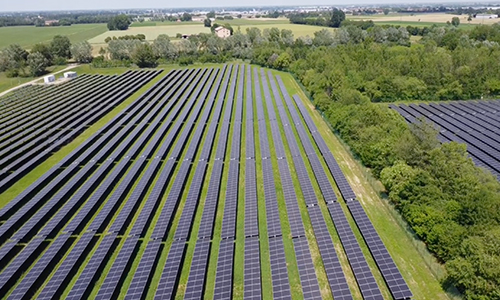
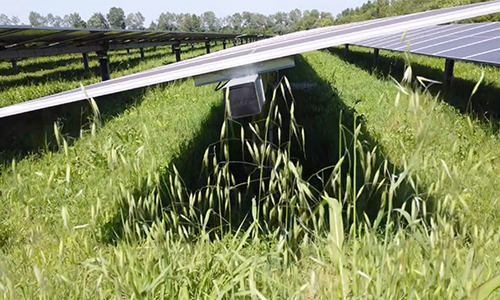
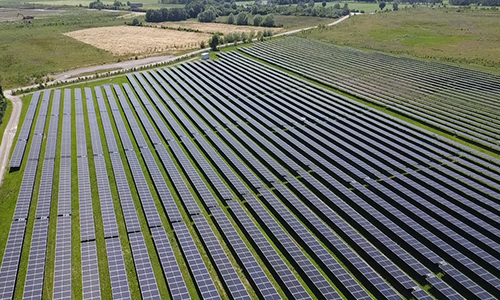
Montecchio (TR), Italy. PV Plant. Installed capacity of 16.75 MW. Photograph: AGP. Copyright: AGP
What the numbers cannot explain alone
Financial statements are the starting point for assessing a company. They report financial position, performance and cash flows within established accounting rules.
But they do not, on their own, explain each project’s maturity, the risks already reduced or the work still required.
In renewable infrastructure, those distinctions matter. Site control, grid access, permitting, authorization and engineering each address different questions.
Progress in one area does not mean that every other risk has been resolved.
A project can be authorized without being ready for construction. It can be built without achieving the operating performance originally expected.
Investors need to see both the progress and its limits.
Why I am opening this channel
Our responsibility is not to ask investors to accept a development story on faith. It is to make the evidence easier to examine.
Through this series, I want to explain how we assess project maturity, how storage fits into our development strategy, and how we approach the choice between monetizing a project and retaining an operating asset.
The aim is practical: to help investors connect our publicly disclosed information with the operating decisions behind it.
That means being clear about:
- What has progressed.
- Which risks have been reduced.
- What still needs to happen.
- How a project may move toward monetization, construction or long-term ownership.
Clearer information does not guarantee a particular valuation. It gives capital allocators a better basis for reaching their own conclusions.
Start with project maturity
AGP’s Project Maturity framework provides the starting point for this discussion. It explains the stages of development and the different questions investors should ask at each stage.
The articles will complement—not replace—our financial reports and regulated disclosures. They will explain publicly available information, not create a separate route for announcing material developments.
My next article will examine why flexibility is becoming the next layer of energy infrastructure. The following article will explore AGP’s move from developer to selective owner-operator—and the decisions behind what we sell and what we keep.
Through this series, I will share our experience and insights to explain how AGP seeks to create long-term shareholder value, what risks remain, and how existing and prospective investors can assess our progress
We are not asking investors to look beyond the numbers instead of examining them.
We are asking them to examine the numbers alongside the work, risks and decisions that give them meaning.
This article provides context on AGP’s business and operational approach. It complements, but does not replace, official financial reports and regulated disclosures. Material, price-sensitive information is communicated through AGP’s official regulated-information channels.